Notes from the workshop
What we've learned building and shipping our own apps, written up for anyone planning one.
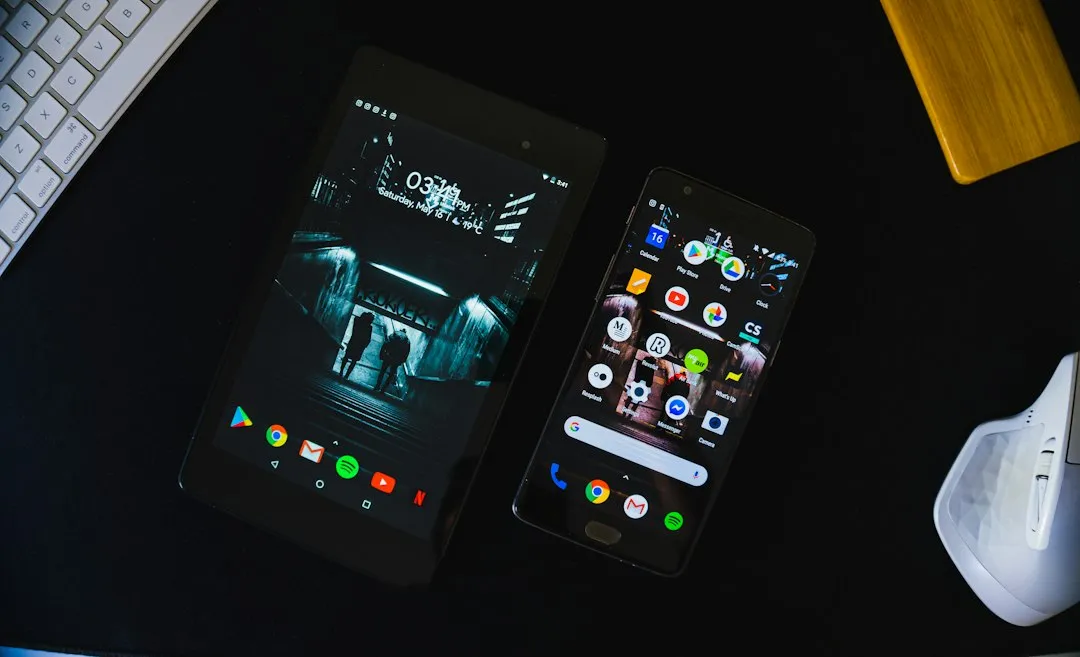
Finance Brain is on Google Play: one React Native app, two store listings
Finance Brain's Android app is live. Here's how one mobile codebase now builds two apps with their own names, icons and Play listings, and what we fixed on the way.
One codebase, several products
How we turned a flashcard app into a platform that launches focused learning sites, without forking the code or maintaining two apps.

What Google Play checks before your app goes live
The forms, URLs and testing rules that stand between a finished Android build and the Play Store, from a studio that ships its own apps through them.

Learning a codebase with flashcards and Claude Code
We built a Claude Code plugin that turns a folder of code into a spaced-repetition deck of its key concepts. Here's why, and what makes a good card about code.
One pipeline, many sites: our Docker and Woodpecker setup
How a small studio deploys several independent apps from one CI server and one modest droplet, and the scheduling gotcha that silently stopped a site from deploying.
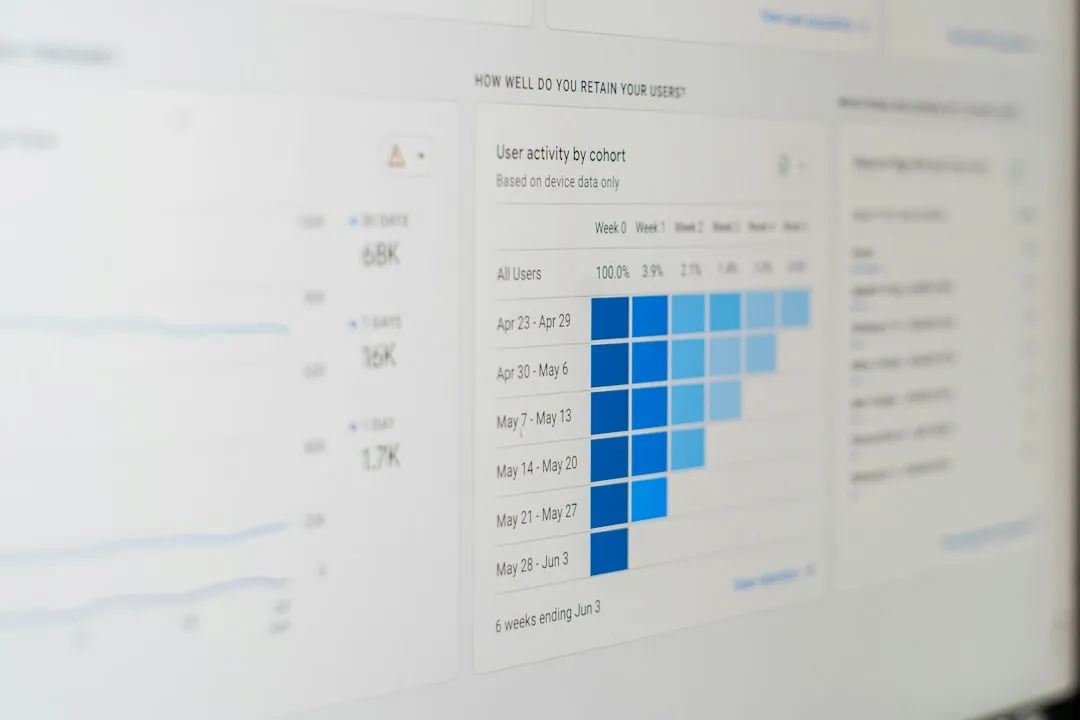
Two events and a funnel: what we measure with PostHog
Why our apps track only a sign-up and one meaningful first action, why we chose PostHog Cloud over self-hosting, and the questions that small setup answers.
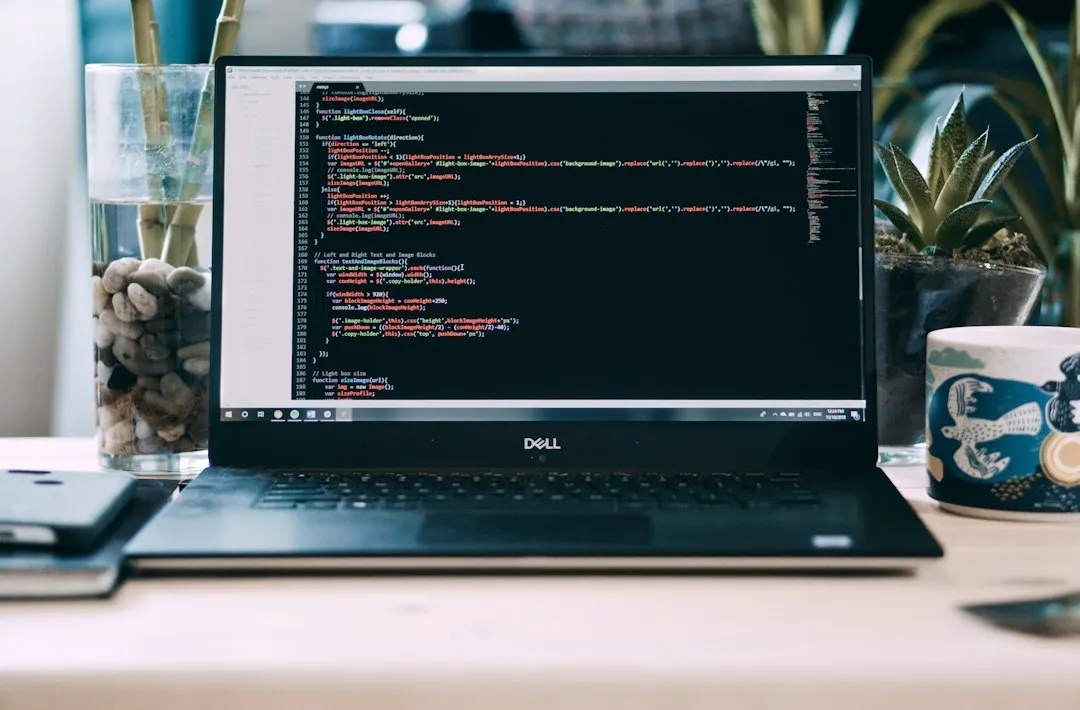
How we run a team of AI coding agents
Several Claude Code sessions working at once, across several apps. The roles, the shared issues repo, and the status files and decisions log that keep them coordinated.

Adding AI features without surprise bills
Quotas, cheap models for small jobs, and features that fail quietly. The patterns we use to put AI into apps with predictable costs.
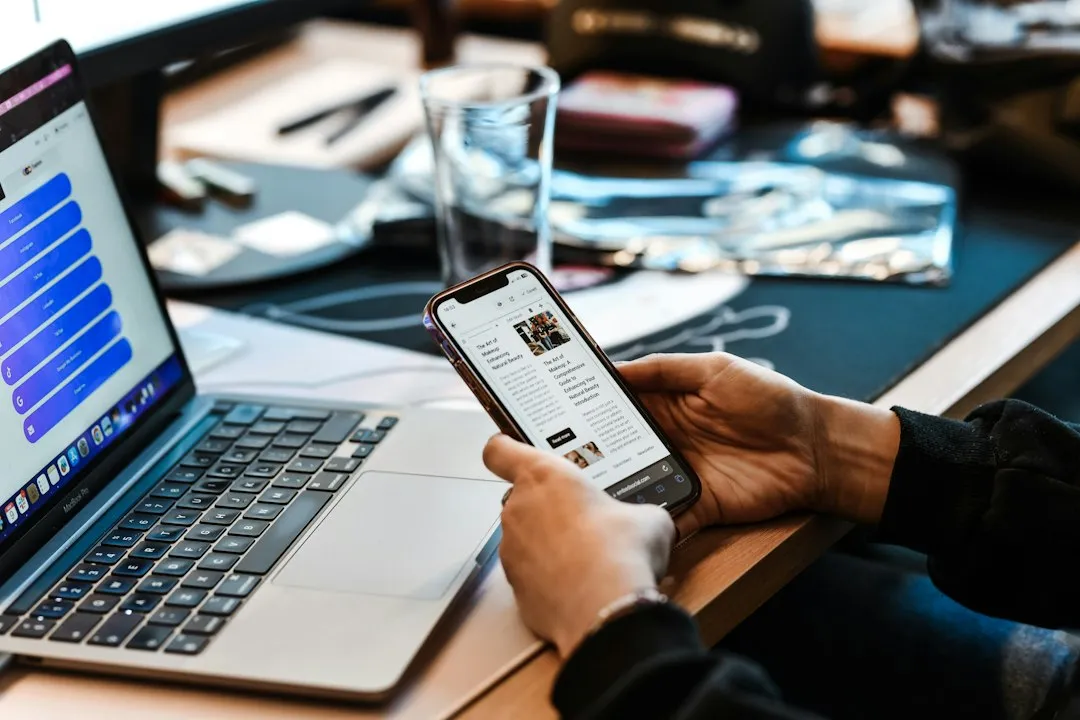
Async development with Claude Code's Remote Control
Starting agent work at the desk and checking in from a phone. How we use Remote Control to keep long-running coding sessions moving away from the keyboard.